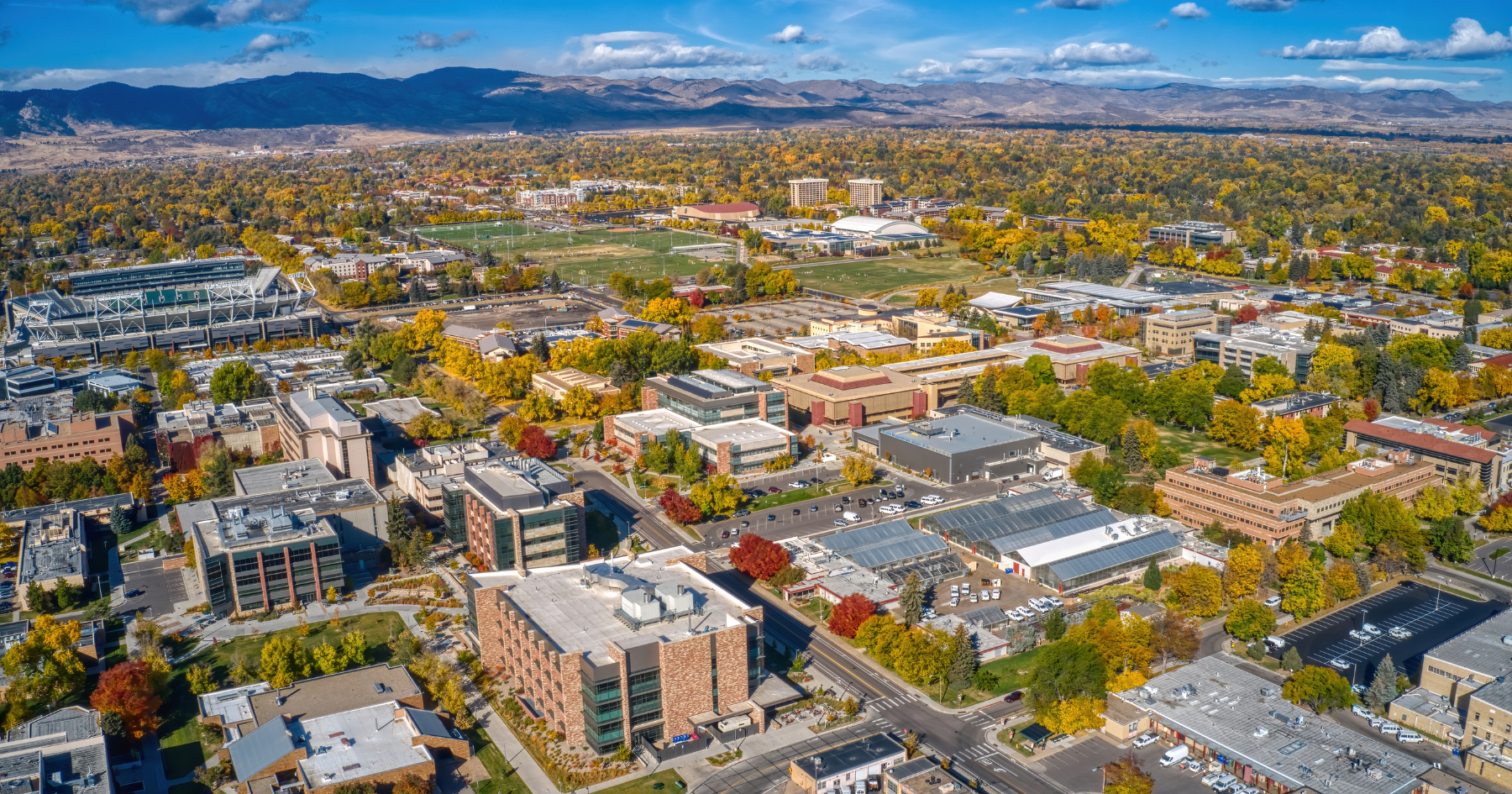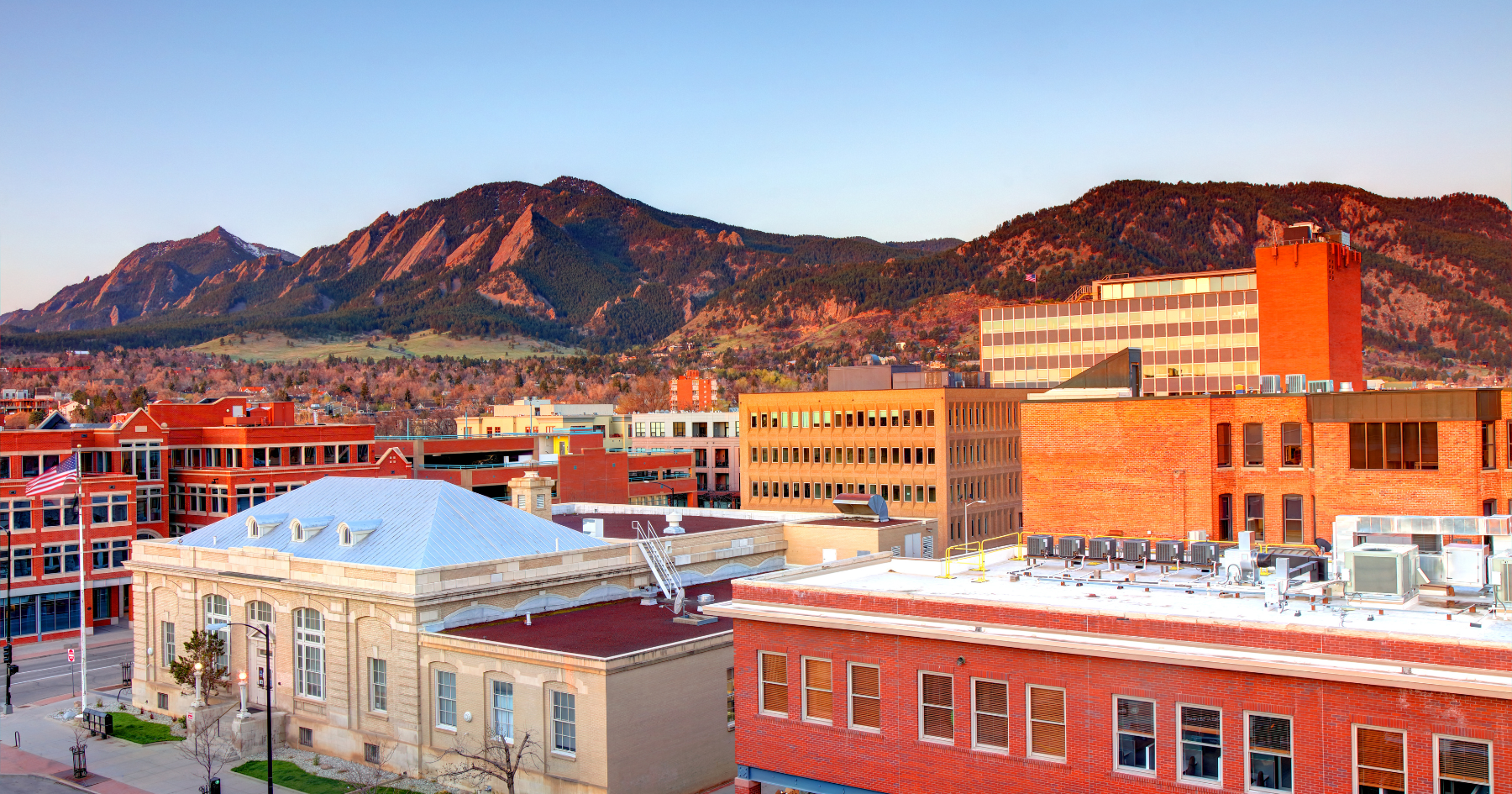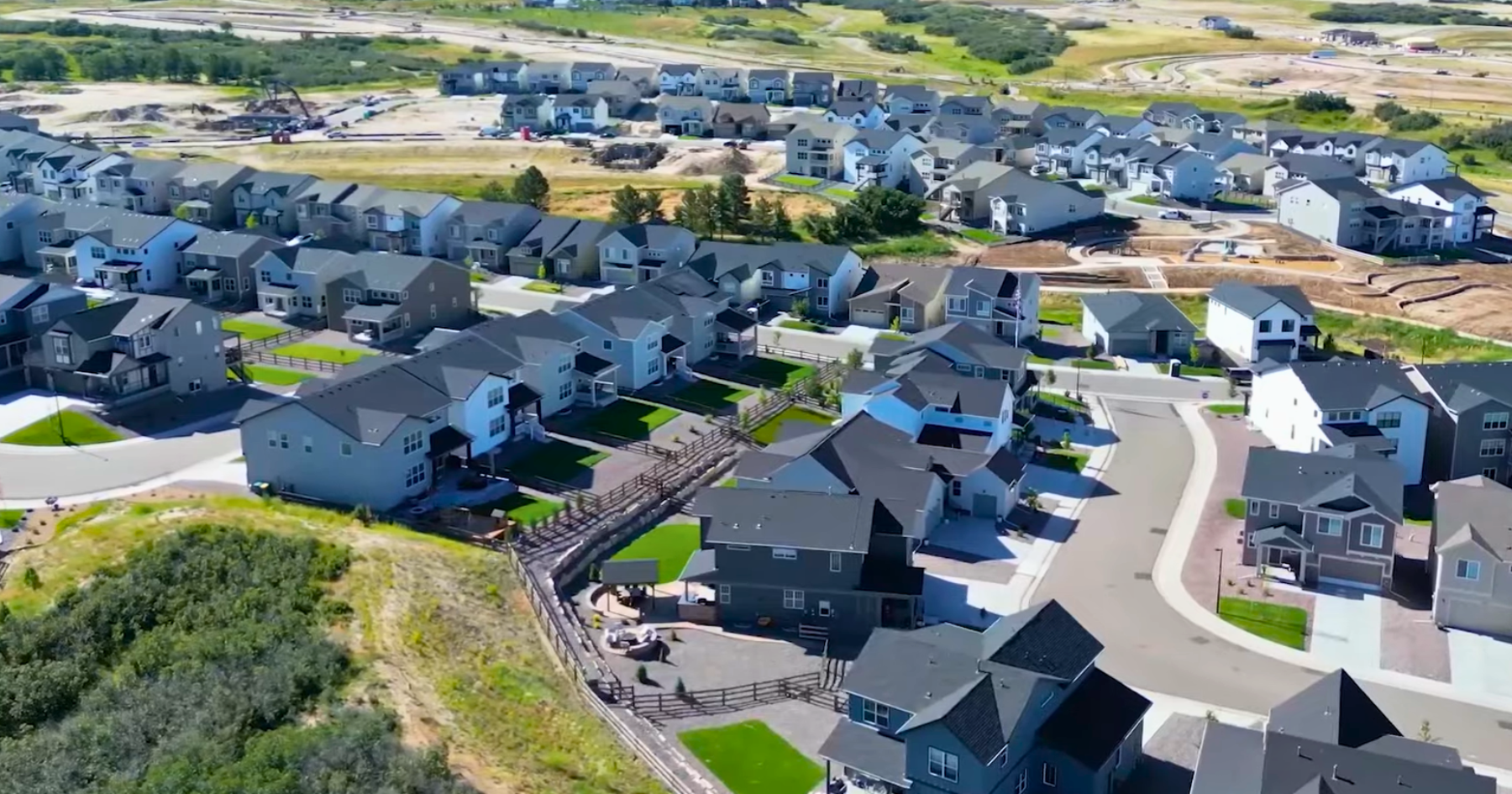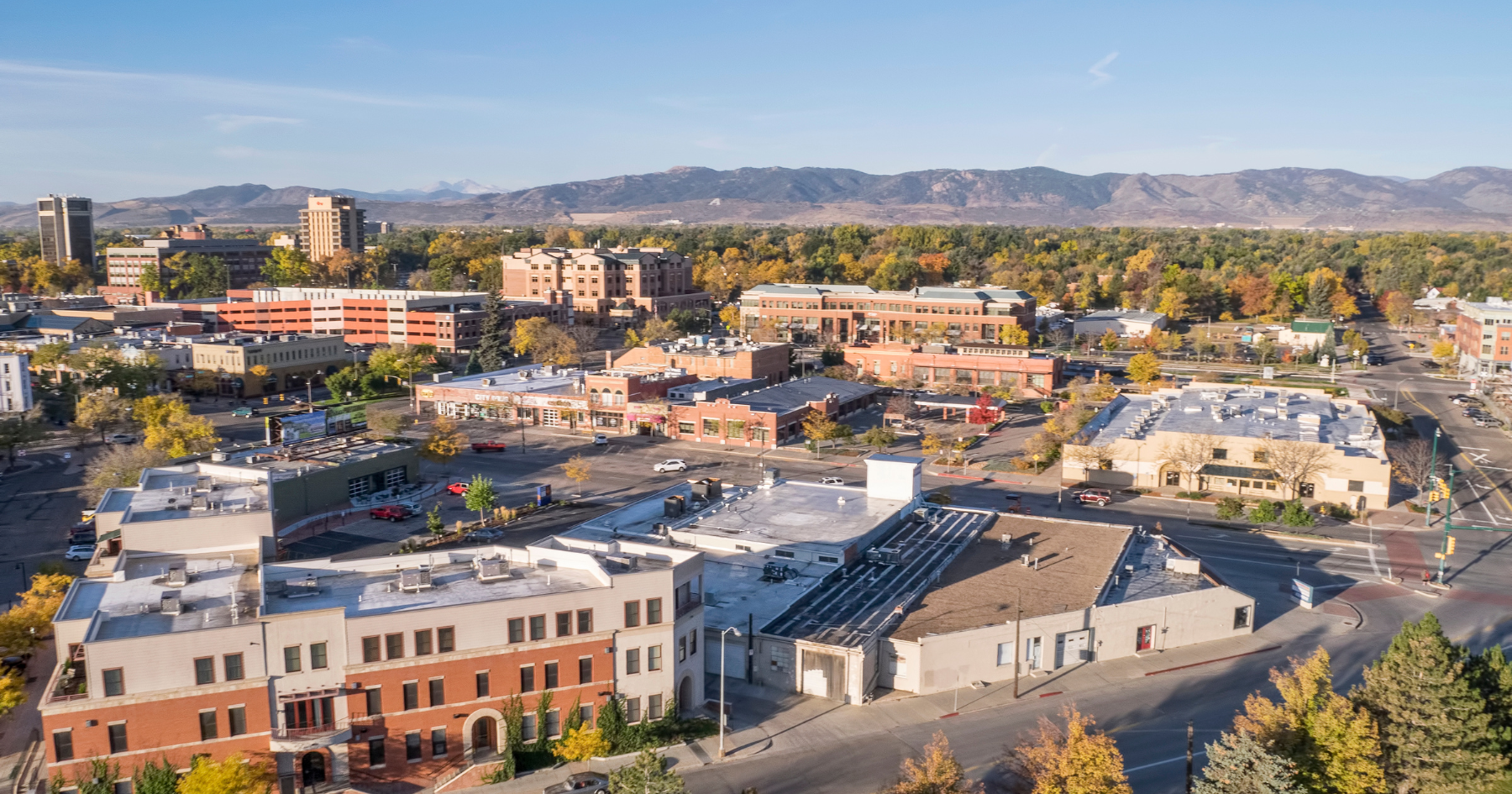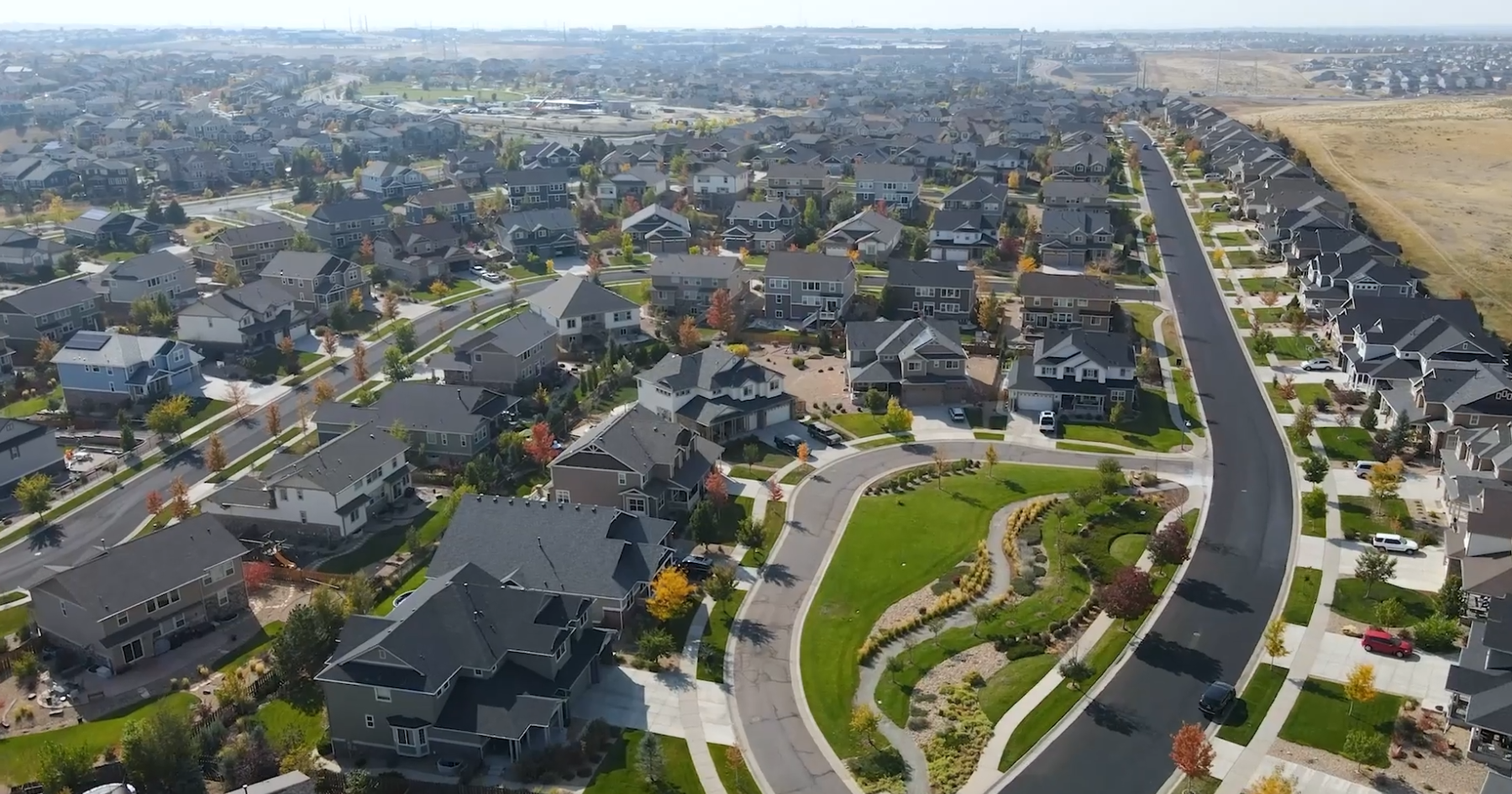
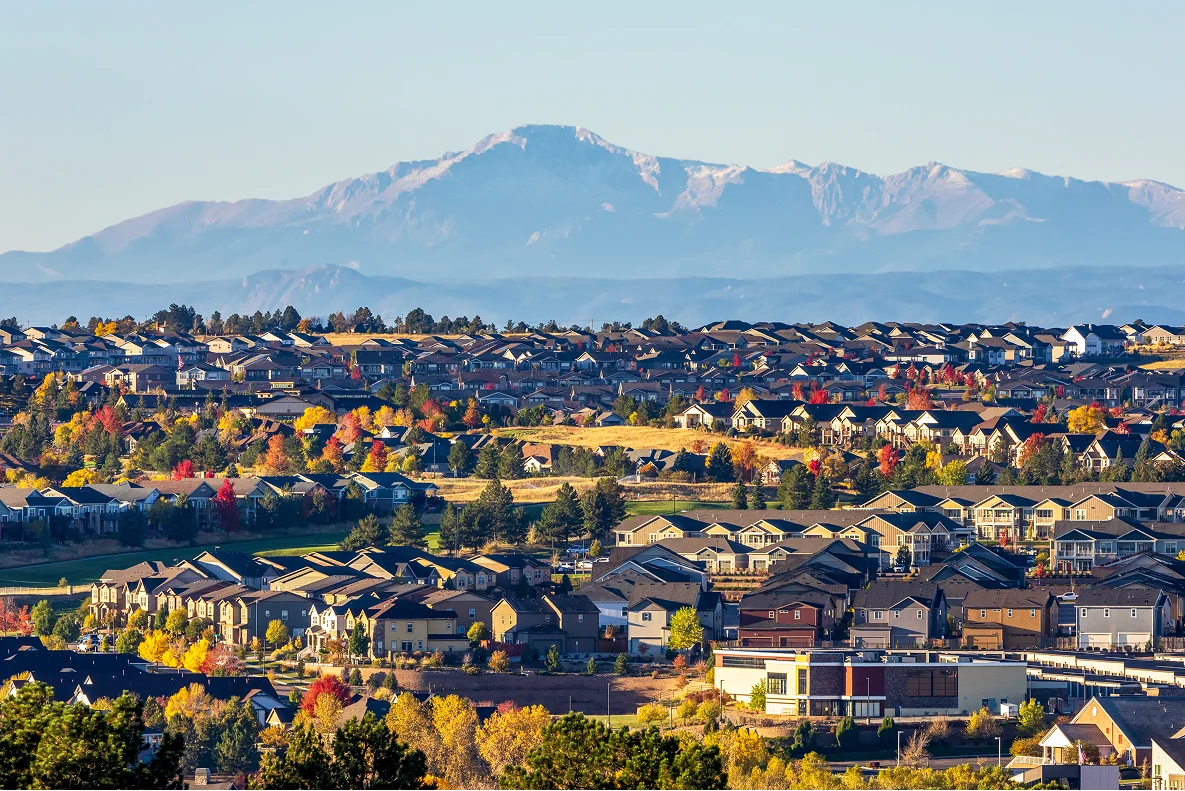



Planning a move to Denver, Colorado? Learn the relocation mistakes to avoid—timing your house-hunting by season, expanding beyond “Denver,” exploring neighborhoods, and budgeting for HOAs and property taxes.

Discover our top 5 areas to live in Colorado in 2026—Cherry Creek North, Broomfield, Sterling Ranch, The Canyons at Castle Pines, and Southshore in Aurora—ranked by lifestyle fit, commute reality, amenities, and long-term home value potential.
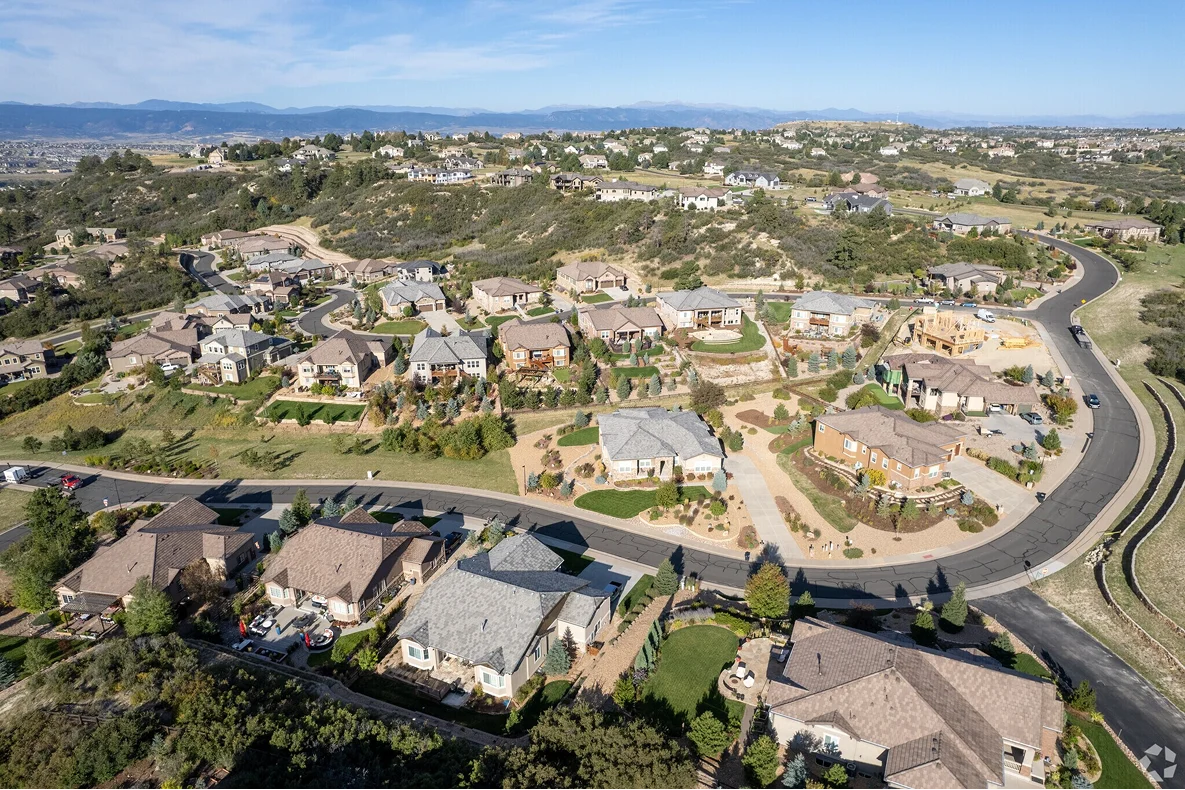
One of the most immediate benefits in Castle Rock is the available lot sizes for luxury homes. In Denver, a typical lot is often a fraction of what you'd find here. Even a smaller lot in Castle Rock can be four times the size of a standard Denver lot. This translates to significantly more bang for your buck, not just in square footage of the home, but in the valuable land you own. When you're looking at a 5,000-7,000 square foot home on a sprawling lot, the value proposition compared to a smaller home on an eighth-acre lot in Denver becomes clear. Areas like Crystal Valley and Diamond Ridge offer breathtaking views, often overlooking Pikes Peak, that we consider priceless. These unincorporated areas still have vast opportunities for development, meaning these incredible views aren't going anywhere soon. Long-Term Equity & Investment Potential For luxury buyers, long-term thinking is crucial. While established urban areas in Denver will always see appreciation, the growth rate might be more incremental. We're talking about new, master-planned luxury communities in Castle Rock and Castle Pines – often smaller enclaves of 30 to 75 homes nestled on cliffsides, not sprawling communities of thousands. Because these areas are just getting started, they offer significant appreciation potential. As Denver continues its expansion and Colorado as a whole becomes an even more desirable place to live, demand for these unique cliffside properties will naturally increase. Being an initial homeowner in these brand-new, unincorporated developments means you're positioned to build substantial equity as the region grows. As Will often says, "at some point, the land is purchased and people have those homes on those lots. And in order for people to get into it as a second homeowner or a third homeowner, you're paying a premium way over what you bought to get in initially as the first home owner." Newer Construction & Modern Home Styles When comparing homes, Castle Rock offers a distinct advantage in terms of new construction and architectural styles. While Denver has new builds, they often involve scraping older homes and building vertically to maximize smaller footprints. These can be beautiful, but they often lack the expansive views and walk-out basements that are a hallmark of luxury homes in Castle Rock. Here, you'll frequently find ranches with walk-out basements, a highly sought-after design in Colorado. This layout offers full ceilings and natural light in the lower level, making it feel like an extension of the main home, rather than a dark, tucked-away space. This design maximizes square footage on two floors, avoiding the redundancy of multiple staircases often found in three or four-story urban homes. Another draw is the cohesive community aesthetic. In Denver, a $3 million new build might sit next to a 100-year-old home, which can detract from the overall community feel. In Castle Rock, many luxury communities are designed with a consistent, high-end look that blends seamlessly with the natural surroundings, enhancing the long-term value and appeal. Many of our clients also prioritize entertaining at home. With the larger footprints and greater value per dollar in Castle Rock, you can create incredible spaces for hosting guests, holidays, and family activities, rather than relying solely on clubhouses or external venues. Workshop Builders: Customization and Value We're always impressed by builders like Workshop, who exemplify the quality and customization available in Castle Rock. They offer unique advantages that translate directly into value for buyers. For example, Workshop boasts in-house cabinetry and steel fabrication. This means they can create truly custom pieces – from white oak cabinetry with perfectly matched grain patterns to stunning steel staircases, railings, and grand beams throughout the home – all without outsourcing. This in-house capability not only allows for unparalleled customization but also results in significant cost savings for the buyer. As Eli explains, "if you have a custom home builder that's going to outsource steel and outsource like all of them do... just understand that there's going to be cost for the builder to go purchase that, that cost is going to apply to you." Their homes, like the 4-bed, 5-bath, 6,000+ sq ft property we explored, priced at $3.2 million, offer exceptional bang for your buck. Castle Rock vs. Castle Pines: Choosing Your Luxury Lifestyle When we talk about luxury in the south Denver Metro area, Castle Pines inevitably comes into the conversation alongside Castle Rock. Castle Pines is often described as the "little more mature sister" to Castle Rock, situated immediately north. It's a more established, almost exclusively luxury city, sharing many amenities with its neighbor. What we've observed is that buyers at the $2.5M+ price point aren't just shopping zip codes; they're shopping lifestyle. Each community, and even specific neighborhoods within them, offers a slightly different flavor of Colorado living. Neither is inherently better; it truly comes down to your personal preferences. For broader considerations on desirable Colorado towns, you might find insights in Why So Many People Are Moving to Erie, Colorado | The Perfect Colorado Town Between Denver & Boulder . Castle Pines Village: Gated, Country Club Living If your ideal lifestyle is quiet, gated, and offers a country club ambiance with abundant nature, Castle Pines Village is likely your perfect match. This area features mature neighborhoods, large homes, and very low turnover – residents tend to stay for the long haul. It truly feels like mountain living within the suburbs, just about 35 minutes south of Denver. Buyers here seek privacy, security, a strong community, and on-site amenities like clubhouses, golf courses, and pools, without needing to leave the neighborhood. It's worth noting that golf ability isn't required; social memberships are available for enjoying the other facilities. Castle Pines also boasts highly rated schools, including excellent charter and private options, alongside some of Douglas County's best public schools. Sapphire Point & Diamond Ridge: Unparalleled Views & Elevation For those who prioritize breathtaking views and high elevation, where you can wake up and see the entire Front Range and Pikes Peak, specific areas in Castle Rock stand out. Sapphire Point and Diamond Ridge, essentially two sections of the same community off Crowfoot Valley, are prime examples. While many homes in these areas are high-end, there are distinct "pocket neighborhoods" where the elevation dramatically increases, offering spectacular vistas. These are often custom-built enclaves, where you're truly buying the lot and the view. Homes here, situated on high ledges or mesas, often feature west-facing backyards, providing incredible valley views. If there's one thing that will help views preserve equity and ensure resale value in Colorado, it's the views. These pockets offer a unique opportunity to own a piece of Colorado's natural beauty. Keen Ranch: Acreage, Privacy, and Estate Living For buyers desiring significant acreage, elbow room, and the potential for a full estate (perhaps even with horses), Keen Ranch is an exceptional option. Located southwest of Castle Rock, on the west side of I-25, this community offers much larger lots, ranging from 5 to 30 acres. Keen Ranch provides a very custom and private feel, ideal for those who prioritize land, space, and quiet above all else. You'll find massive homes, often with outbuildings or secondary structures, giving residents ample space without feeling completely secluded. The proximity to the foothills provides even better mountain views and a greater sense of privacy from highway noise. We’ve seen homes here, like an 8,000 square foot estate on 20 acres, featuring natural stone and spiral staircases, demonstrating the incredible potential for a truly custom Colorado lifestyle. Superior Schools & Connectivity Beyond the homes themselves, two critical factors draw luxury buyers south: excellent schools and improved connectivity. For families, the school district is often a major deciding factor. Castle Rock falls within the Douglas County School District consistently ranks among the top five highest-rated school districts in the entire metro area. This is a significant advantage compared to many Denver Public Schools, where luxury homeowners often opt for private or charter schools. Douglas County offers robust academic and athletic programs on the public side, giving families fantastic options. Another game-changer for Castle Rock has been the light rail access. While you might not commute daily, having the light rail extend to RidgeGate Parkway, just about 8 minutes north of Castle Rock, is incredibly important. This makes getting downtown for games, concerts, or events easier than ever. It allows residents to enjoy Denver's social atmosphere without the responsibility of driving, fostering a greater sense of connection to the city that was once perceived as more detached. We always get comments when we mention Castle Rock is 34-37 minutes from Denver, with some saying it's not that far. From our personal experience living and commuting from Diamond Ridge, it's consistently 40 minutes or under, barring accidents or inclement weather. The point is, the commute is manageable, and with public transportation now an option, enjoying Denver's vibrant scene is more accessible and safer than ever. Key Takeaways Lifestyle Shift: Luxury buyers prioritize space, privacy, and nature, moving from Denver's density to Castle Rock and Castle Pines for a more fulfilling lifestyle. Value Proposition: Castle Rock offers significantly larger lots (up to 4x Denver's average), enabling more elaborate custom builds and greater bang for buck per square foot of land. Equity Growth: New master-planned and exclusive communities in Castle Rock provide greater long-term appreciation potential compared to established Denver markets. Superior Amenities: Areas like Castle Pines Village offer gated, country club living, while the Douglas County School District consistently ranks among the top five in the metro area, providing excellent public school options. Enhanced Connectivity: Light rail access near Castle Rock (RidgeGate Parkway) provides convenient, safe transport to Denver for events, blending Colorado living with urban access. Frequently Asked Questions (FAQ) Q: Why are luxury home buyers choosing Castle Rock over Denver? A: Luxury buyers are prioritizing lifestyle, space, and long-term value. Castle Rock offers significantly larger lots, stunning mountain views, newer custom homes, a more cohesive community feel, and top-rated schools, which are often difficult to find in Denver's dense urban core at the same price point. Q: What kind of lot sizes can I expect in Castle Rock compared to Denver? A: In Castle Rock, you can typically expect much larger lot sizes, often four times what you would find for a comparable luxury home in Denver. This allows for more expansive homes, outdoor living spaces, and greater privacy. Q: Are the schools in Castle Rock highly rated? A: Yes, Castle Rock is part of the Douglas County School District, which consistently ranks among the top five highest-rated school districts in the Denver Metro area. This is a major draw for families seeking excellent public education options. Q: How does Castle Pines differ from Castle Rock for luxury buyers? A: Castle Pines, often considered Castle Rock's "more mature sister," is a more established, almost exclusively luxury city immediately north of Castle Rock. It's known for gated, country club communities like Castle Pines Village, offering a mature, private, and amenity-rich lifestyle, while still sharing many benefits with Castle Rock. Q: What are the key luxury neighborhoods in Castle Rock and Castle Pines? A: Prominent luxury neighborhoods include Crystal Valley, Diamond Ridge, and Sapphire Point in Castle Rock (known for views and new custom builds), Castle Pines Village in Castle Pines (for gated, country club living), and Keen Ranch in Castle Rock (for acreage and estate-style properties). --- Watch the Full Video For more insights, watch the complete video: Why More Luxury Buyers Are Choosing Castle Rock Over Denver ---
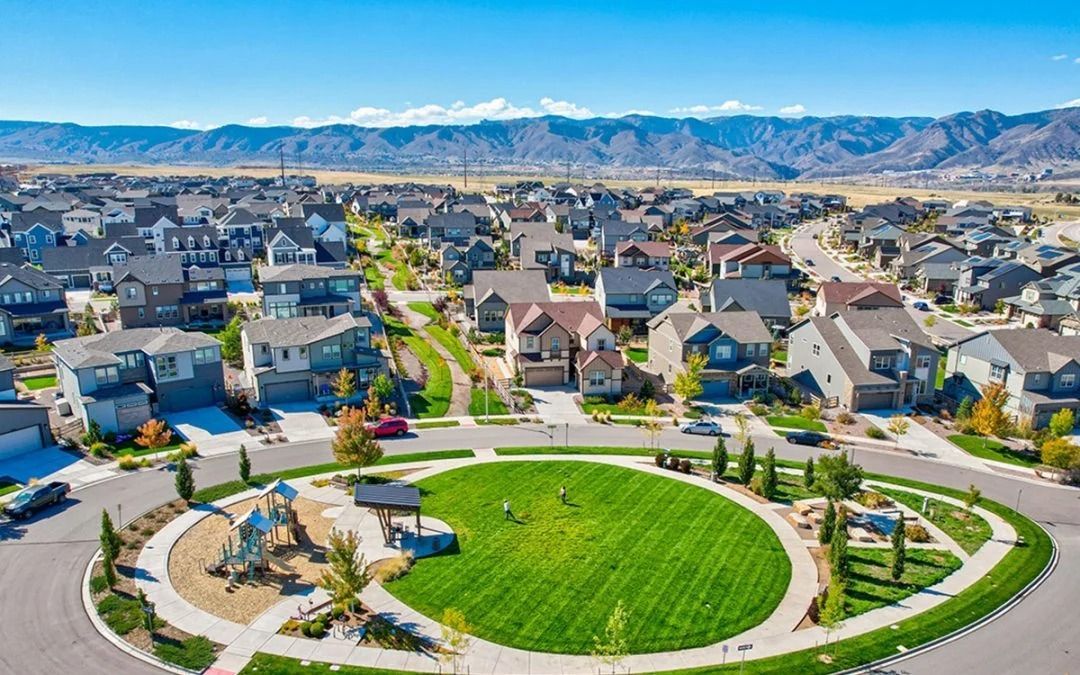
After helping countless clients navigate the Denver real estate market, we can confidently say that while affordability is subjective, Denver still offers accessible areas if you know where to look. We remember when the average price point broke $500,000 around 2017-2018, a significant shift that made many wonder about future opportunities. As Eli Schmidt and Will Grimes, your Mile High Property Brothers, we've guided numerous families relocating to the Denver Metro area, drawing on our combined decades of local experience—Will, a Denver native with 25 years here, and Eli, a seasoned resident and prior police officer. Our goal is to make your transition smoother, offering insights beyond typical real estate transactions and clarifying common misconceptions. We’ve compiled the top 10 questions our clients asked in 2025, questions that are still highly relevant if you're considering moving here in 2026 and beyond. From housing costs to lifestyle choices and winter weather, we're here to answer what everyone asks. Let's dive into the most pressing question first. 1. Are There Still Affordable Areas Left Near Denver? Yes, absolutely, but affordability is subjective. While the average price point in the Denver Metro area has been above $500,000 for years, there are still options for various budgets. We often see single-family new builds in the $650,000 range if you're willing to look slightly outside the immediate city. For those considering a condo or townhome, you can find options in the mid-$300s to mid-$400s, some very close to or within Denver itself. Creativity with financing, such as seller concessions for rate buy-downs (e.g., a 2-1 or 3-1 buydown), can significantly impact your monthly cost. Builders are also offering incentives, especially for new constructions. When evaluating affordability, remember the three main factors: size, condition, and location. If you need a larger home for a big family, you might need to be more flexible on condition or location. For instance, areas like Aurora Highlands near E-470 and I-70 are seeing new developments built without basements to reduce costs, offering new homes at more accessible price points. 2. If You Had to Pick One Area for the Best Lifestyle, Where Would You Choose? This is a loaded question, as "lifestyle" means different things to different people. We break it down into three categories: Walkability & City Pace For a fast-paced, walkable lifestyle with abundant restaurants, our top pick would be Lower Highlands (LoHi). It offers a vibrant city experience with diverse dining and entertainment. Cherry Creek is another excellent option for a quicker pace, combining upscale amenities with great walkability. Quiet, Suburban & Family-Friendly For families seeking a quiet, suburban environment with good schools and a strong community feel, Castle Rock stands out for quiet, suburban living. Its charming old downtown, numerous neighborhood choices, affordability, and proximity to nature make it a prime contender. If we were to choose a specific community for our family outside of where we currently live, we'd pick BackCountry within Highlands Ranch. It offers exceptional views, top-tier school districts (including private options), and an easy commute via E-470, keeping us far enough from the mountains to avoid extreme weather but close enough for access. For more insights on the future of housing, you might want to check out Denver Housing 2026: Where Prices Go From Here (And When to Move) . Nature, Mountains & Outdoor Activities If you prioritize nature, mountain proximity, year-round outdoor activities, and stunning views within the Denver Metro area, our top recommendation is Sterling Ranch. Located right by Roxborough State Park, it's a "smart city" community with innovative features like recyclable rainwater. The views are breathtaking, and you're nestled between two state parks (Roxborough and Chatfield) within 10 minutes. Sterling Ranch offers the closest feel to mountain living without the full impact of severe inclement weather. Builders in Sterling Ranch are still offering incentives, making it a great option for those seeking a nature-rich lifestyle with creative financing.

Choosing the right Colorado master-planned community is all about fit. Compare Highlands Ranch, Sterling Ranch, The Canyons, Reunion, Solstice, Central Park and more across schools, amenities, Denver/DIA commute, and outdoor access.
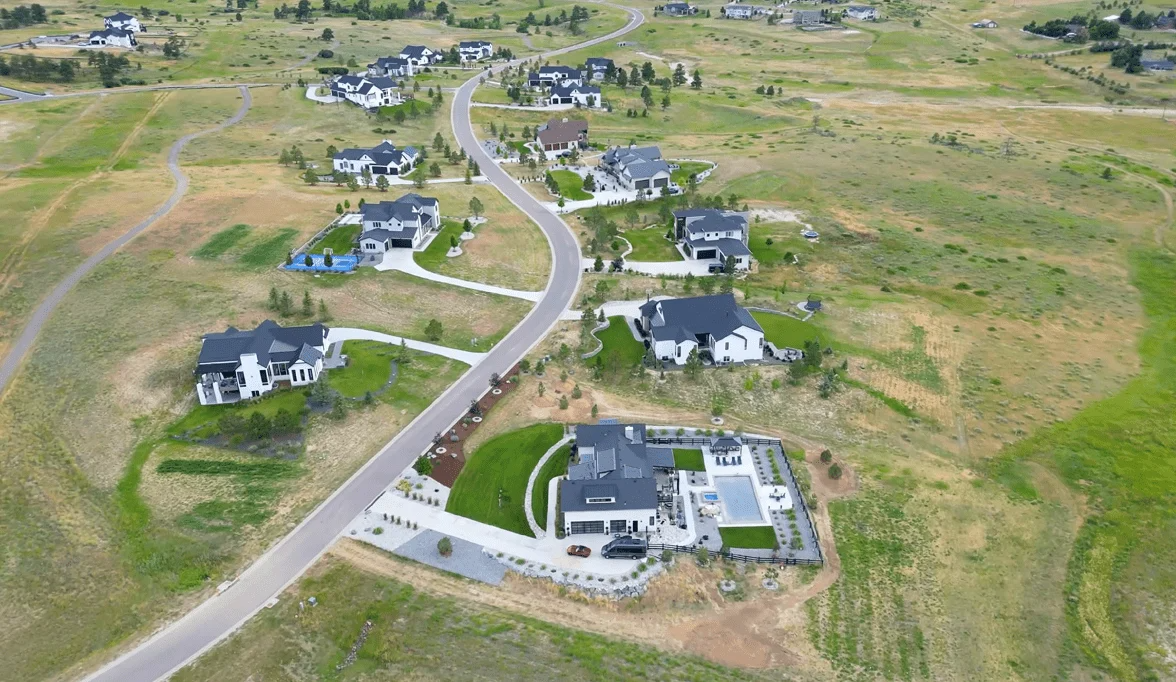
Parker, Colorado, is experiencing rapid growth with exciting new home developments offering some of the best new build deals in the Denver metro area. We're diving into three standout communities: Looking Glass, featuring diverse builders and competitive incentives; Cherry Creek Trail by Toll Brothers, ideal for low-maintenance ranch-style living; and the massive future development, Tantara, promising extensive open space and amenities. ---
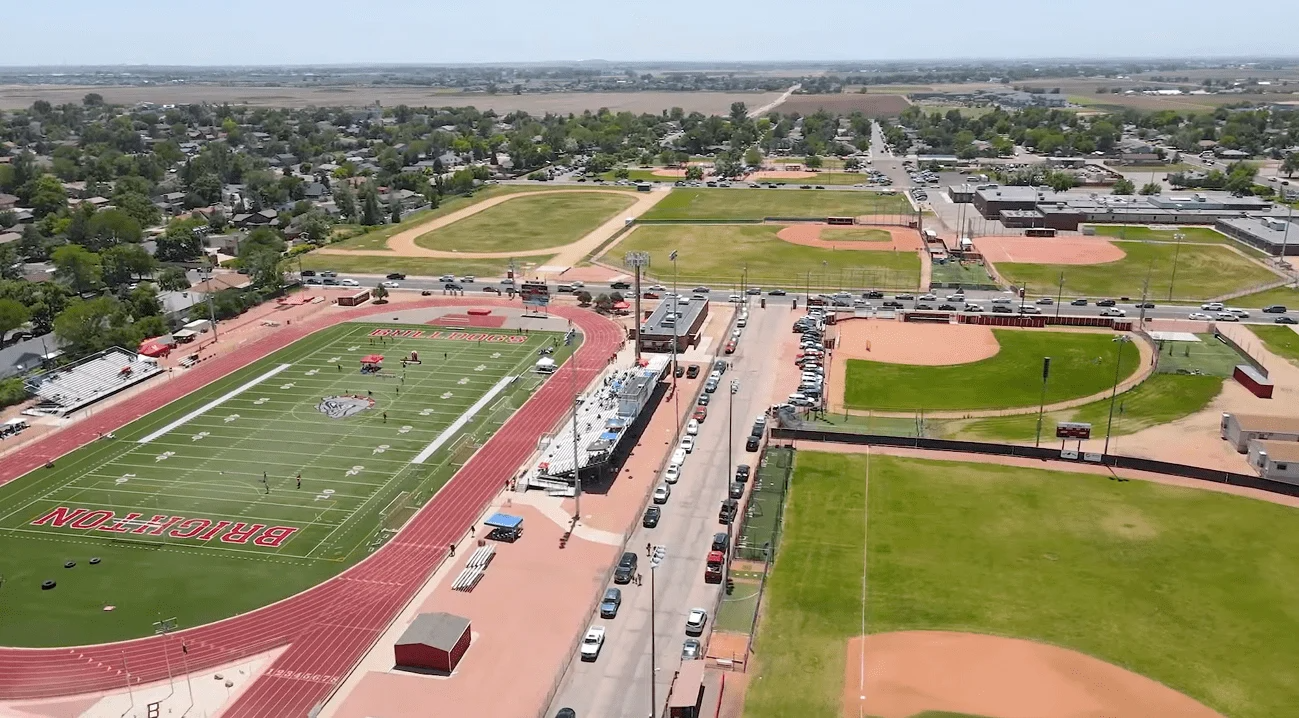
For first-time homebuyers in Denver , the video highlights Aurora Highlands, Reunion (Commerce City), and Brighton as top choices. These areas offer a strategic blend of affordability (often below the metro average of $600,000), newer low-maintenance homes, and convenient access to downtown Denver and DIA, making the homebuying journey smoother for new owners. ---
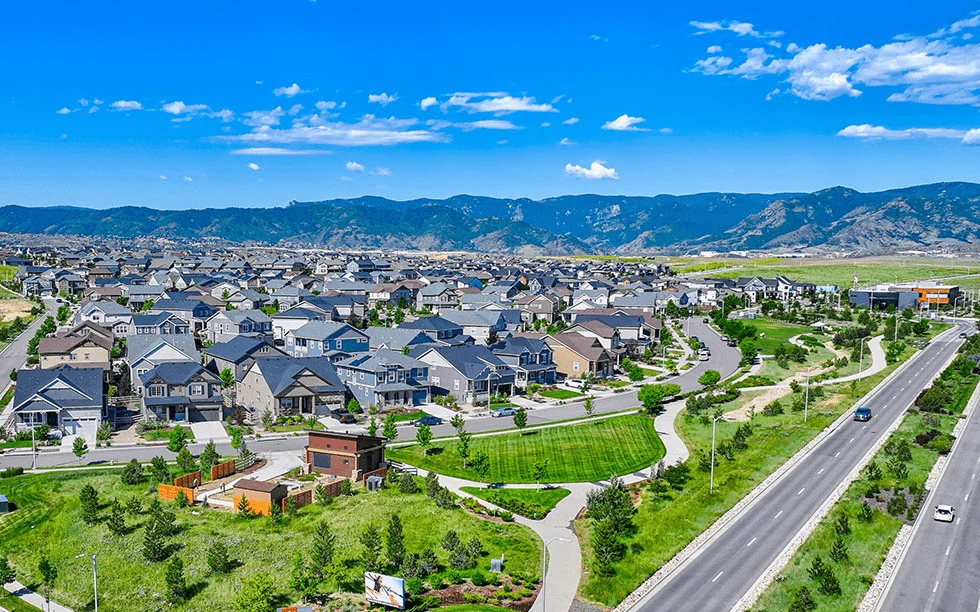
After helping hundreds of families navigate the Denver real estate market, we've consistently found that communities offering the true Colorado lifestyle, blending nature with modern conveniences, are in highest demand. When clients ask about the ultimate Colorado experience communities near Denver, our minds immediately go to Solstice and Sterling Ranch. These two master-planned communities represent some of the best that Douglas County has to offer, combining unparalleled access to outdoor recreation with fast-growing, vibrant neighborhoods. In our 10 years of experience as licensed Denver real estate brokers, we've seen countless families relocate here specifically for that mountain-adjacent feel without sacrificing city accessibility. The market trends show a consistent pull towards areas like these, especially those offering newer homes and comprehensive amenities. We've personally walked the trails, toured dozens of homes, and experienced the community vibe in both Solstice and Sterling Ranch to provide the most accurate and helpful insights. So, what makes these two communities so special, and which one is right for you? We'll dive into the specifics of home prices, builders, school districts, daily conveniences, and that crucial access to parks like Chatfield State Park and Roxborough State Park. We'll also highlight the unique lifestyle differences between these sought-after Denver suburbs to help you make an informed decision. Let's explore what Solstice and Sterling Ranch have to offer. Exploring Solstice: A Boutique Foothills Retreat Solstice offers a tranquil, nature-immersed living experience, perfectly positioned for those who prioritize direct outdoor access and a more intimate community feel. Located southwest of Denver, Solstice sits directly on the southern border of Chatfield State Park, literally surrounded by its expansive natural beauty. Location & Connectivity Solstice's strategic positioning near major highways like Highway 85 (Santa Fe) and C-470 is a key advantage. Highway 85 provides a direct shot north to Downtown Denver or south towards Castle Pines and Castle Rock. C-470 connects you effortlessly to Denver International Airport (DIA) to the east or to I-70 heading west, opening up access to Colorado's renowned ski resorts. Commute times from Solstice are efficient: about 35 minutes to Downtown Denver, roughly 45 minutes to DIA, and a quick 20 to 25 minutes to the Denver Tech Center (DTC). This balance of serene living with urban accessibility is a significant draw for those moving to Colorado neighborhoods. Exclusive Shea Homes: Quality & Value Solstice is an exclusively Shea Homes community, known for consistent quality and competitive pricing. We've helped clients purchase 25 to 30 Shea Homes in the past two years, always receiving great reviews. While it's a single builder, a wide variety of home types and exterior finishes ensures it's far from a cookie-cutter neighborhood. Prices typically start in the low to mid-$700s. Shea Homes in Solstice come with luxury features and thoughtful designs. We love the large covered front patios and high-end touches like hardwood floors on the stairs (a rarity from many builders) and floor-to-ceiling stone fireplaces. A significant value-add is their commitment to finishing basements, which is uncommon for new builders. These finished basements boast at least 10-foot ceilings, complete with carpet, drywall, and a full bathroom, adding $100,000 to $125,000 in value. Shea also offers incentives like rate buy-downs and closing cost assistance. The home we toured, with its upgrades and a finished basement, was just over $1 million.
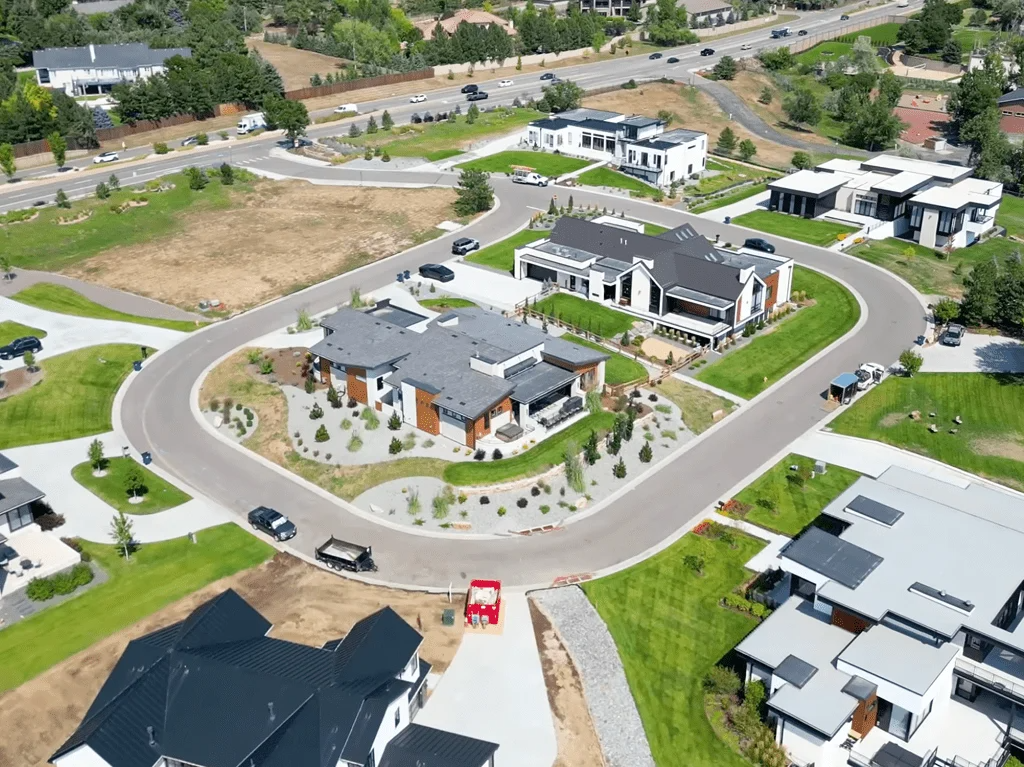
Greenwood Village stands out as Denver's most exclusive luxury suburb, offering expansive properties, custom homes (from redeveloped 1960s charms to modern new builds), and access to the renowned Cherry Creek School District. Its prime location ensures quick commutes to major employment hubs like DTC and Downtown Denver, making it ideal for those seeking privacy, prestige, and unparalleled convenience. ---
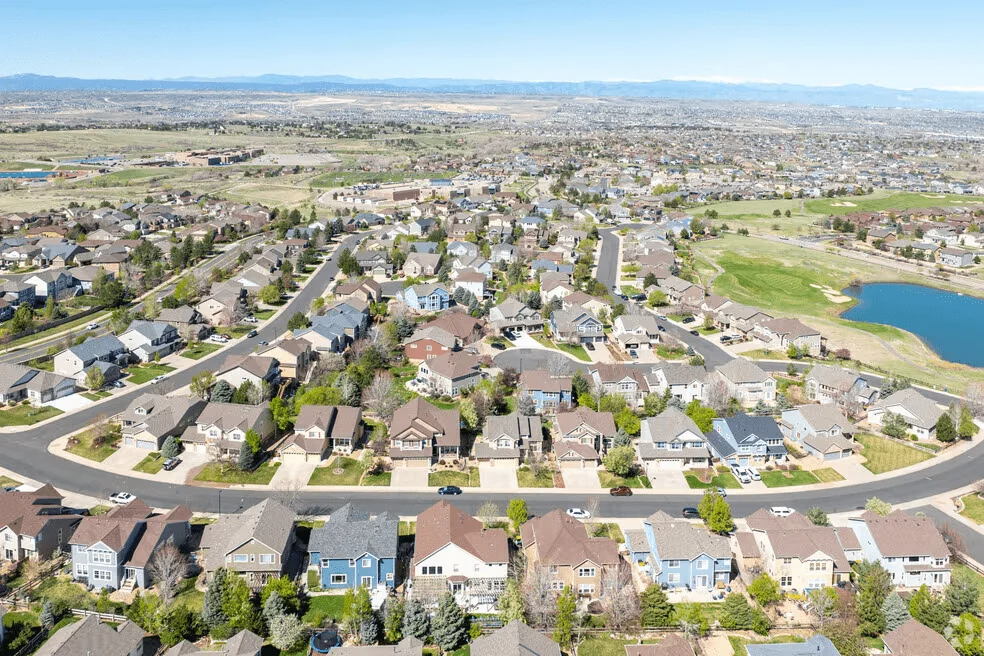
Choosing where to live in Denver depends on your budget, lifestyle, and life stage. We've broken down the Denver metro area into three price tiers: entry-level options like parts of Aurora and Denver townhomes, mid-range family-friendly suburbs like Parker, Highlands Ranch, and Castle Rock, and luxury destinations such as Boulder, Cherry Hills Village, and Greenwood Village, with average home prices currently around $650,000 across the metro. ---